
Home batteries explained: costs, tariffs and payback
How home batteries work with or without solar panels, what they cost, how time of use tariffs affect payback, the VAT rules and the safety checks to make.

A home battery stores electricity so you can use it later, either power from your own solar panels or cheap power bought from the grid at off peak times. Batteries are now eligible for government backed loans and zero rate VAT, and more households are asking whether one makes sense. The honest answer is that it depends on your tariff, how much electricity you use and when, and what the battery costs. This guide explains how batteries work, how to run the payback sum, and the safety and installer checks to make.
How a home battery works
A battery charges when electricity is cheap or plentiful and discharges when it is expensive. The Energy Saving Trust says batteries are usually paired with solar panels, a smart time of use tariff, or both.
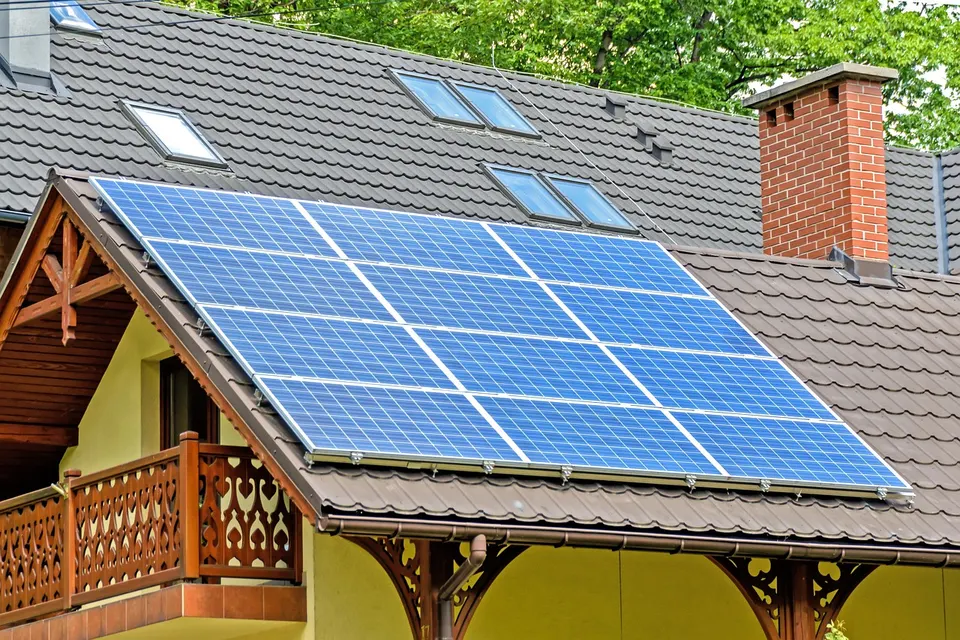
With solar panels. During the day, spare solar power fills the battery instead of going straight to the grid. In the evening you use the stored power rather than buying it. Once the battery is full, surplus power is exported, and you can be paid for it through a Smart Export Guarantee (SEG) tariff. Our guide on whether solar panels pay back covers the panel side of the sum.
Without solar panels. A battery can charge from the grid during a cheap tariff period and discharge when prices are higher. It stops charging when full.
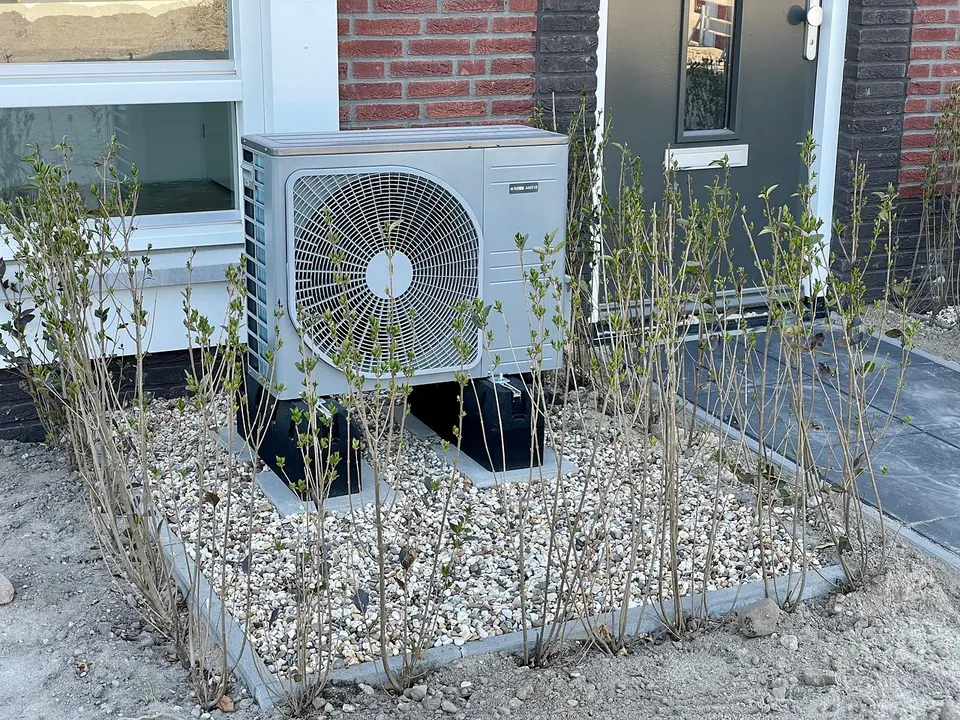
With a heat pump. The Energy Saving Trust says a battery saves more when it helps run a heat pump than when it only stores spare solar power, because there is more demand to shift.
A typical home battery is about 10kWh, and a typical unit is slightly taller and wider than a washing machine but much shallower. The system usually stops drawing on the battery at around 20% of its capacity to protect its life, so you cannot use every unit it holds. Storing and releasing energy also loses some of it along the way.
Time of use tariffs
A time of use tariff charges different prices for electricity at different times of day. You need a smart meter. Some have fixed cheap windows, often overnight; others change price every half hour. The trade off is that peak rates can be higher than on a standard tariff. MoneySavingExpert notes that peak rates on some heat pump tariffs can be 60% above price cap rates.
A battery lets you buy most of your electricity in the cheap window and avoid the peak, which is what makes these tariffs work for many battery owners. Our guide to Economy 7 and time of use tariffs explains the main tariff types.
What a battery costs
The Energy Saving Trust puts battery prices at £1,500 to £10,000 depending on type and size, with a 5kWh system costing around £4,600. Fitting a battery at the same time as solar panels or a heat pump may save money because the installer is already on site.
Typical lifespan is about 10 to 12 years, shorter than solar panels, so the battery is likely to need replacing first. Ask what the warranty covers, for both the battery and the installation, and what capacity it guarantees after a set number of years.
VAT
Since 1 February 2024, batteries installed in homes have been covered by the VAT relief for energy saving materials, including standalone batteries that store grid electricity, according to HMRC guidance. The relief applies to installed batteries that store energy chemically; heat batteries do not count. The zero rate runs until 31 March 2027, after which a reduced rate of 5% applies, as reported by ICAEW. Check that your quote shows 0% VAT.
How to work out payback
You can run a rough sum before any quote.
- Find the cost. Use the installed price, including VAT and any loan interest.
- Estimate how much you can shift each day. This is the smaller of the battery's usable capacity and the electricity you actually use at peak times.
- Find the price gap. Take the difference between the price you avoid (peak rate, or the export rate you give up on solar power) and the price you pay to charge it (off peak rate, or nothing for solar).
- Multiply it out. Units shifted per day, times the price gap, times 365, gives a rough annual saving. As a purely illustrative example, shifting 7kWh a day with a 15p gap is about £383 a year.
- Compare with lifespan. Divide the cost by the annual saving. If the answer is longer than 10 to 12 years, the battery may not pay for itself before it needs replacing.
The evidence is mixed. In a July 2026 report, the Energy Saving Trust found that adding a battery to solar can increase savings, but often not enough to recover its cost within its lifetime, particularly if you already have a good export tariff. Batteries look stronger in homes with high electricity demand, such as those with heat pumps. The largest bill reductions came from combining a heat pump, solar and battery on a suitable time of use tariff.
Paying for it
The government backed Warm Homes Loan Scheme offers low and zero interest loans across the UK of up to £15,000 for a battery, according to the government factsheet. Lenders run normal credit and affordability checks, and the installer must be MCS certified. Low income households in England may be able to get a battery fully funded alongside solar panels through council schemes. Our Warm Homes Plan guide sets out what is available.
Safety and installers
Home batteries store a lot of energy in a small space and must be installed properly. PAS 63100:2024, a British Standards Institution specification for fire protection of home battery systems, came into practice on 31 March 2024. As summarised by Self Build, it prefers locations outside living space, such as a garage or outbuilding, keeps indoor batteries away from habitable rooms and escape routes, requires fire detection where the battery is, and requires a warning label on the consumer unit.
When you get quotes:
- Use an MCS certified installer and get at least three quotes, as the Energy Saving Trust suggests.
- Ask where the battery will go and how that location meets PAS 63100.
- Ask how the installer sized the battery against your actual usage, using your smart meter data if you have it.
- Ask whether the battery can be controlled to follow your tariff automatically.
Common mistakes to avoid
- Buying too big. Capacity you never use adds cost without saving money.
- Ignoring the tariff. On a flat rate tariff with no solar, a battery has little to do.
- Forgetting replacement. A battery that outlasts its warranty but not its payback is a loss.
- Treating loan interest as free. Even low interest adds to the cost in your sum.
Next steps
- Look at your smart meter data to see how much you use, and when.
- Check whether your current tariff would suit a battery, and what time of use tariffs are available to you.
- Get three quotes from MCS certified installers and run the payback sum on each.
If you would like help weighing it up, UK Experts Online can introduce you to a specialist through our home upgrades page.
Ready to talk to an expert?
With energy prices rising, the home improvements that pay their way are the ones that cut your bills. Tell us what you are considering and we will match you with approved installers, and help you check which grants and loans you could get.
Sources
- Battery storage, Energy Saving Trust, 6 October 2026
- Supporting households with low carbon technology combinations, Energy Saving Trust, 15 July 2026
- VENSAV3061: Energy-saving materials: electrical storage batteries, HMRC, 13 November 2026
- Energy-saving materials relief extended from February 2024, ICAEW, 1 December 2023
- Warm Homes Loan Scheme factsheet, Department for Energy Security and Net Zero, 4 November 2026
- New fire safety standards introduced for domestic battery storage systems, Self Build, 5 September 2024
- Heat pumps: are they worth it?, MoneySavingExpert, 14 October 2026
We check every figure and rule against official sources before publishing and update guides when things change. This guide explains how things work; it is not personal advice.
More home upgrades guides
Do solar panels pay back? How to work it out
A step by step way to estimate solar panel payback in 2026, using system cost, generation, self use, export payments and batteries, plus VAT and planning rules.

Energy efficient windows: ratings, costs and the rules
How window energy ratings work, double versus triple glazing, typical costs and savings, FENSA and CERTASS certificates, and conservation area planning rules.
Heat pumps explained: how they work and what they cost to run
How air and ground source heat pumps work, what they cost to run against gas at today's prices, and the checks on space, noise and radiators to do first.