
Economy 7 and time of use tariffs: are you on the right one?
How Economy 7 and smart time of use tariffs work, who tends to gain, how EV charging fits in, and a simple sum to check whether your tariff suits your home.
Most homes pay the same price for every unit of electricity, whatever the time of day. Economy 7 and newer time of use tariffs work differently: some hours are cheaper and others cost more. For the right household they can cut bills noticeably. For the wrong one they quietly cost more than a standard tariff. This guide explains how they work, who tends to benefit, and how to check, with your own meter readings, whether your tariff suits the way you live.
How Economy 7 works
Economy 7 is the oldest and best known time of use tariff. Citizens Advice explains that it gives you about seven hours of cheaper electricity a day, usually in one overnight block such as 11pm to 6am. Economy 10 gives ten cheaper hours, which may be split into chunks across the afternoon, evening and night.
The catch is that the daytime rate is usually higher than on a single rate tariff. EDF notes that peak rate electricity is usually more expensive, so the tariff only pays off if enough of your use falls in the cheap hours.
Ofgem confirms that Economy 7 meters are covered by the energy price cap, so if you are on a standard variable tariff the cap limits your rates, just as it does for single rate electricity.
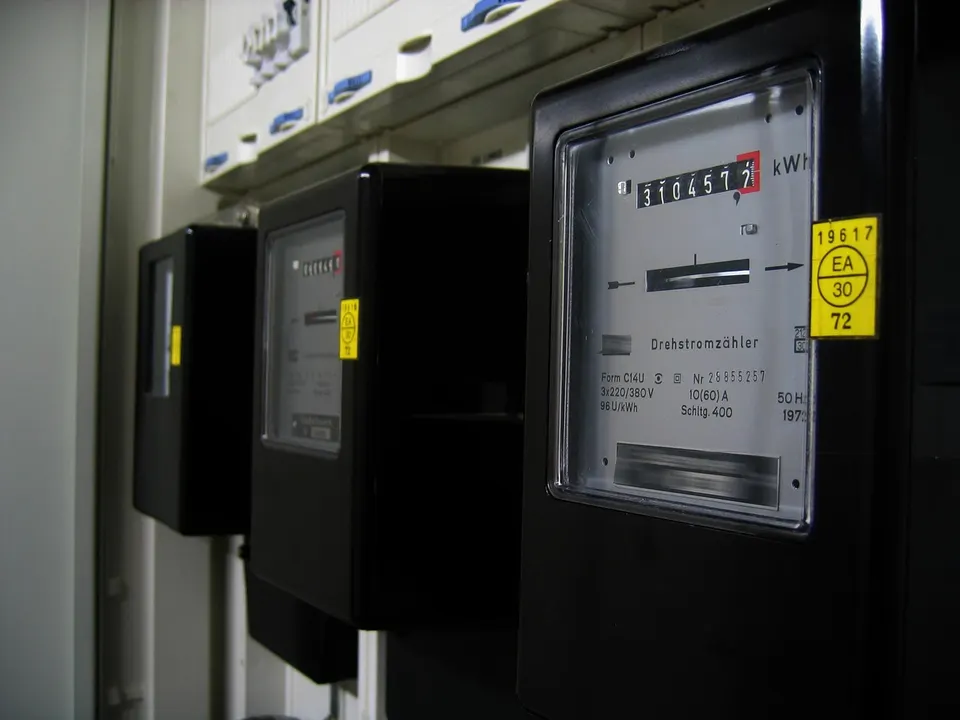
You can usually tell you have an Economy 7 meter because it shows two readings. EDF says these are often labelled "normal" and "low", or "Rate 1" and "Rate 2".
Newer time of use tariffs
Smart meters have opened up a wider range of tariffs. Citizens Advice describes two main types:
- Static tariffs, with fixed peak and off-peak prices at set times. Many tariffs aimed at electric car owners work this way, with a cheap overnight window.
- Dynamic tariffs, where prices follow the wholesale market and can change through the day. Some rates can even be negative, meaning you are paid to use electricity.
Smart Energy GB adds that these newer tariffs need a smart meter working in smart mode and sending half-hourly readings. Some suppliers also offer reward schemes or cheaper electricity on certain days, such as weekends.
If you are considering a dynamic tariff, Citizens Advice suggests checking how often rates change, how you will be told about them, and whether the supplier sets its own maximum price, which may be higher than Ofgem's cap.
Who tends to benefit
Time of use tariffs reward households that can move a large share of their electricity use into the cheap hours. That usually means:
- Homes with storage heaters or electric hot water set to charge overnight. Citizens Advice says Economy 7 and Economy 10 suit people with storage heaters.
- Electric car owners who charge at home. Citizens Advice says a static time of use tariff might be cheaper if you charge at night, and a dynamic one may suit you if your charging times vary.
- Homes with a battery or solar panels, which can store cheap electricity for use later.
- All-electric homes or very high users, which Smart Energy GB says Economy 7 suits.
They tend to suit people less well if most of your use is during the day, for example if you are at home with electric heating on, or if you cook and run appliances mainly in the evening peak and cannot change that.
How to check you are on the right tariff
You do not need a comparison site to get a good first answer. You need a year of readings and a calculator.
- Find your tariff details. Check your bill or online account for your day and night unit rates and your standing charge.
- Confirm your cheap hours. Ask your supplier for the exact times. EDF points out that many meters keep the same clock all year, so your off-peak window can shift by an hour when the clocks change.
- Work out your night share. Using a year of readings, divide your night units by your total units. A smart meter or online account may show this for you.
- Compare with a single rate. Multiply your day units by the day rate and your night units by the night rate, then add them together. Compare that with your total units multiplied by a single rate tariff's unit rate. Remember to compare standing charges too.
- Check your heating and hot water timers. Make sure storage heaters and immersion heaters charge only in the cheap hours.
- Think about what you could move. Washing machines, dishwashers and car charging can often be set on timers.
A worked example
The figures below are made up to show the method. They are not real tariff prices.
Say a single rate tariff charges 26p per unit. An Economy 7 tariff charges 30p in the day and 14p at night. For every 100 units you use:
- with 25 units at night, Economy 7 costs £22.50 for the day units plus £3.50 for the night units, a total of £26.00, the same as the single rate
- with 40 units at night, it costs £18.00 plus £5.60, a total of £23.60, cheaper than the single rate
- with 15 units at night, it costs £25.50 plus £2.10, a total of £27.60, dearer than the single rate
In this example, the break-even point is a quarter of your use at night. Your own break-even point depends on your actual rates, so run the sum with your figures.
If you had an old radio teleswitch meter
Some older Economy 7 and electric heating meters relied on the Radio Teleswitch Service, a longwave radio signal that switched them between rates. STV reported that the service was switched off permanently at the end of June 2026, and that the energy consumers minister said a small number of these meters may still be in homes.
The Energy Saving Trust lists signs that you may have one, including a separate box near the meter labelled "radio teleswitch". It also says you do not have to accept a new tariff straight away if you are worried about higher costs. If your heating or hot water is stuck on or off, contact your supplier first.
Common mistakes
- Staying on Economy 7 after moving from storage heaters to gas, so most use is now at the dearer day rate.
- Forgetting that cheap hours can shift when the clocks change.
- Comparing only unit rates and ignoring the standing charge.
- Choosing a dynamic tariff without being able to shift use when prices rise.
- Giving only one reading when your meter shows two.
Next steps
- Gather a year of day and night readings and run the sum above.
- If you do not have a smart meter, our guide to smart meters explains how to get one, which opens up more tariff choices.
- If another tariff looks cheaper, our guide on switching supplier explains how to move and what to check first.
- If you are thinking about a battery to make the most of cheap hours, our home batteries guide sets out the costs and trade-offs.
Should I fix my energy?
Compare a fixed deal with staying on the price cap after January.
Ready to talk to an expert?
The energy price cap is £1,723 a year for a typical home until 31 December, and suppliers forecast a sharp rise from 1 January 2027. Some fixed deals are now cheaper than the current cap. An energy specialist can check whether fixing would save you money.
Sources
- Choosing your energy tariff, Citizens Advice, 13 November 2026
- Energy flexibility, Smart Energy GB, 17 August 2026
- Changes to energy price cap between 1 October and 31 December 2026, Ofgem, 13 November 2026
- All you need to know about Economy 7, EDF, 13 November 2026
- RTS meter switch off, Energy Saving Trust, 8 May 2026
- RTS switch-off completed successfully, says minister, STV News, 16 July 2026
We check every figure and rule against official sources before publishing and update guides when things change. This guide explains how things work; it is not personal advice.
More gas & electric guides

Energy debt: what to do if you are behind on your bills
How to agree an energy repayment plan you can afford, your rights if a prepayment meter is proposed, the 2027 Debt Relief Scheme, grants and free advice.
Fixed tariff vs the price cap: how to compare
How to compare a fixed energy deal with Ofgem's price cap using your own usage, what the January 2027 cap decision means, and how exit fees change the sums.
How to claim the Warm Home Discount
Who gets the £150 Warm Home Discount in winter 2026 to 2027, when it is automatic, when to call the helpline, and the other winter payments you may be due.