
Do solar panels pay back? How to work it out
A step by step way to estimate solar panel payback in 2026, using system cost, generation, self use, export payments and batteries, plus VAT and planning rules.
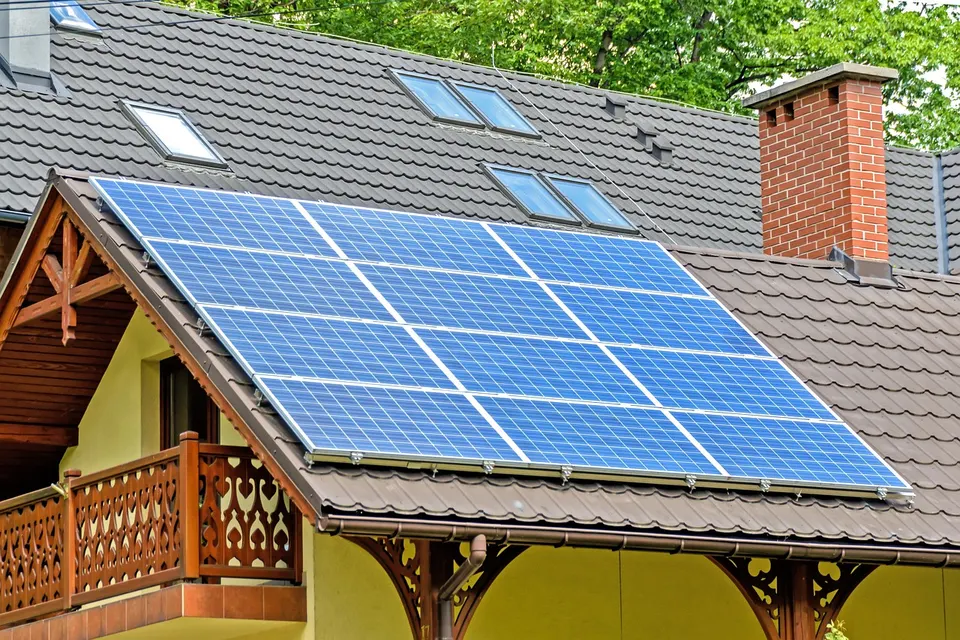
Solar panels can pay for themselves, but how fast depends far more on your own home and habits than on any headline figure. The good news is that the sum is not complicated. This guide shows you how to estimate payback for your house, what pushes the number up or down, and the VAT and planning rules that apply in November 2026.
The payback sum in one line
Payback in years is roughly:
System cost ÷ (savings from electricity you use yourself + export payments per year)
So you need three numbers: what the system costs, how much of its output you will use, and what you will be paid for the rest. Each one is worth getting right.
Step 1: Find the system cost
The Energy Saving Trust puts a typical 4.5kWp system at around £7,600 installed, as reported by both MoneySavingExpert and Which?. The average UK domestic system is about 3.5kWp, and each panel takes up roughly two square metres of roof. Government data cited by Which? shows the average cost of small systems (up to 4kW) fell from £1,873 per kW in 2024/25 to £1,080 per kW in 2025/26, so recent quotes may be lower than older articles suggest.
Use the figure from your own quotes, not an average. Get at least three, and make sure each one states the system size in kWp and the expected annual generation.
Step 2: Estimate how much it will generate
A good quote gives an annual generation figure in kWh. As a rough guide, Uswitch says a 4kW system produces around 3,500kWh a year. Output falls the further north you are, and depends on which way the roof faces, its pitch and any shading from trees, chimneys or neighbouring buildings.
Step 3: Work out how much you will use yourself
This is the part that matters most. Every unit of solar power you use yourself saves you the full price of grid electricity. Every unit you export earns only the export rate, which is usually lower.
You use more of your own power if someone is at home during the day, or if you run appliances such as the washing machine and dishwasher while the sun is out. Households who are out at work all day export more and save less.
For a 4.5kWp system, MoneySavingExpert estimates savings of £190 to £330 a year on bills at current price cap rates, before any export payments. The range reflects how much of the power each household uses.
Step 4: Add your export payments
The Smart Export Guarantee (SEG) requires energy suppliers with more than 150,000 customers to pay you for electricity you send to the grid. Each supplier sets its own rate, which must be above zero. MoneySavingExpert reports rates ranging from 1p to 25p per kWh. Some of the higher rates are only open to customers who also buy their electricity from that supplier, and introductory rates can drop after 12 months.
To claim SEG payments, both the panels and the installer need to be MCS certified, so keep your MCS certificate safe. Because rates differ so widely, it is worth comparing SEG offers rather than accepting the first one.
Step 5: Put it together
Add your annual bill saving to your annual export income, then divide the system cost by that total. MoneySavingExpert's worked examples, which assume a 15p export rate, show payback of about 9 years in London, 9 to 10 years in Aberystwyth and 11 to 12 years in Stirling. Its guide says to expect "at least 10 years" in general.
Two costs are easy to forget. The inverter, which converts the panels' output for use in your home, typically needs replacing within about 10 years at a cost of around £800. And all these estimates assume export payments continue at similar rates, which is not guaranteed.
Do batteries help?
A battery stores spare daytime power so you can use it in the evening, which raises how much of your own power you use. The catch is cost. MoneySavingExpert cites an average of about £5,000 for a battery, usually less if bought with the panels, and says a battery probably will not pay for itself for a typical user and could add years to the break even point.
A battery can make more sense if you are on a time of use tariff that lets you charge cheaply overnight, or if you have an electric car or heat pump. A specialist can model this for your actual usage. You can also check whether your current tariff suits you with our energy fix checker.
What else affects payback
- Electricity prices. Higher grid prices make each unit you use yourself worth more, so payback shortens. Lower prices lengthen it.
- Roof and shading. The direction, pitch and shading of your roof change how much the panels produce, which is why the installer's generation estimate matters.
- How long you stay. If you plan to move within a few years, you may not reach payback in that home.
- Roof condition. If the roof needs work soon, doing it first avoids paying to remove and refit panels.
VAT and planning rules
VAT. Eligible installations of solar panels and batteries in homes are charged at 0% VAT until 31 March 2027, according to Uswitch, after which a 5% reduced rate applies. Check that your quote shows VAT correctly.
Planning. In England and Wales, roof mounted panels are usually permitted development, which means you do not need planning permission. The Home Owners Alliance advises checking with your local planning authority first if the property is listed, in a conservation area, in a National Park or in an Area of Outstanding Natural Beauty. If you live in Scotland or Northern Ireland, check with your council, as these sources cover England and Wales.
Help with the cost
The Warm Homes Loan Scheme, launched in October 2026, offers low or zero interest loans across the UK through approved lenders, capped at £15,000 for solar panels and £15,000 for a battery. Installers must be MCS certified, and normal credit checks apply. Remember that loan interest, even if low, adds to the cost in your payback sum.
Low income households in England with a home rated D to G may be able to get solar panels through the Warm Homes: Local Grant, run by councils.
Next steps
- Look up your annual electricity use on a recent bill (our guide on how to read your energy bill shows where to find it).
- Get at least three quotes from MCS certified installers with generation estimates.
- Run the payback sum with your own numbers and a realistic export rate.
- Decide whether a battery adds enough to justify its cost.
If you would like a second view on the figures, UK Experts Online can introduce you to a specialist who can assess your roof and usage. Find out more on our home upgrades page.
Ready to talk to an expert?
With energy prices rising, the home improvements that pay their way are the ones that cut your bills. Tell us what you are considering and we will match you with approved installers, and help you check which grants and loans you could get.
Sources
- Solar panels: are they worth it?, MoneySavingExpert, 28 September 2026
- Solar panel costs, Which?, 30 October 2026
- Are solar panels worth it?, Uswitch, 13 November 2026
- Are solar panels worth it in the UK?, Home Owners Alliance, 4 November 2026
- Warm Homes Loan Scheme: scheme rules, September 2026, Department for Energy Security and Net Zero, 1 September 2026
- Apply for the Warm Homes: Local Grant, GOV.UK, 1 April 2025
We check every figure and rule against official sources before publishing and update guides when things change. This guide explains how things work; it is not personal advice.
More home upgrades guides

Energy efficient windows: ratings, costs and the rules
How window energy ratings work, double versus triple glazing, typical costs and savings, FENSA and CERTASS certificates, and conservation area planning rules.
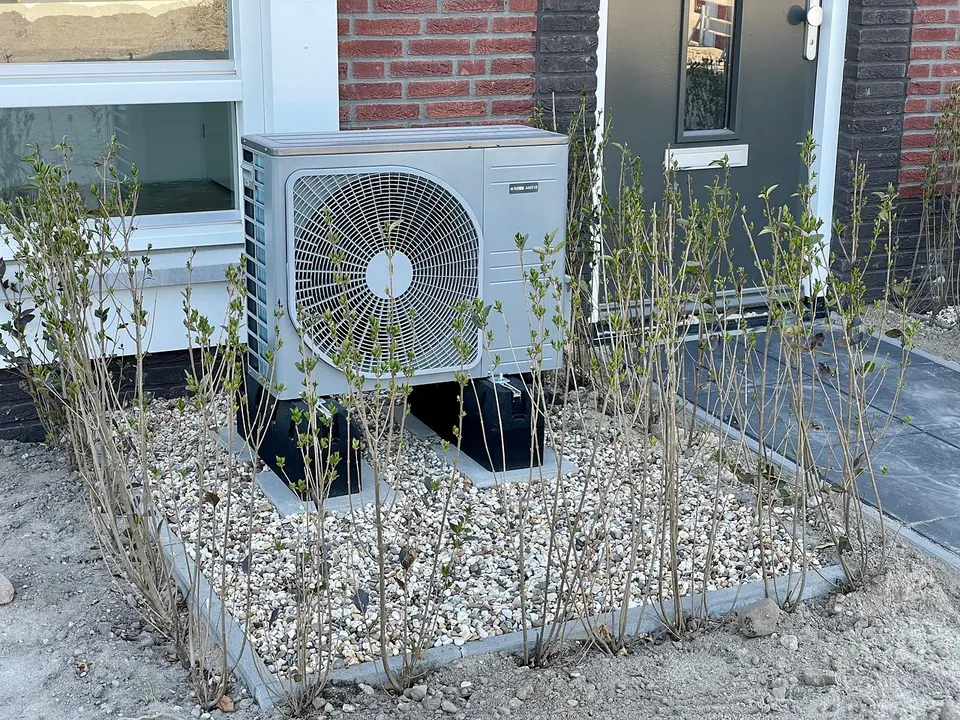
Heat pumps explained: how they work and what they cost to run
How air and ground source heat pumps work, what they cost to run against gas at today's prices, and the checks on space, noise and radiators to do first.
Home batteries explained: costs, tariffs and payback
How home batteries work with or without solar panels, what they cost, how time of use tariffs affect payback, the VAT rules and the safety checks to make.