
Heat pumps explained: how they work and what they cost to run
How air and ground source heat pumps work, what they cost to run against gas at today's prices, and the checks on space, noise and radiators to do first.
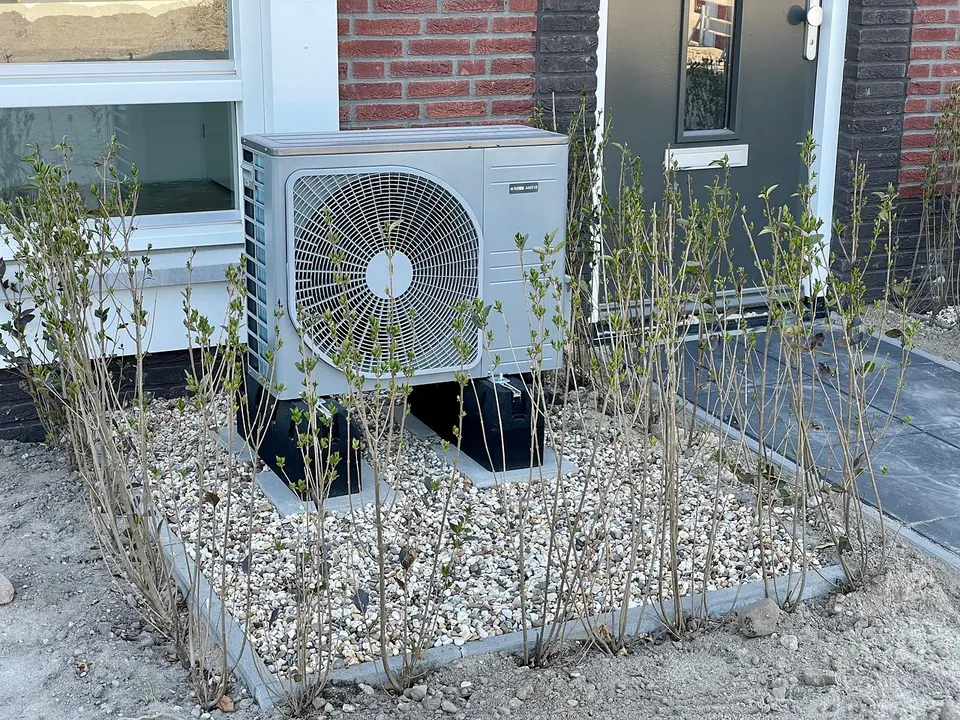
A heat pump heats your home by moving warmth from outside into your heating system, rather than burning fuel. It can work well in most UK homes, including older ones, but whether it is cheaper to run than gas depends on your home, your radiators, your tariff and how the system is set up. This guide explains how the two main types work, how to compare running costs with gas at current prices, and the checks worth doing before you get a quote. For the grant itself, see our guide on how to apply for the Boiler Upgrade Scheme.
How a heat pump works
A heat pump takes heat from the air, the ground or water and passes it into a refrigerant. A compressor raises the temperature, and the heat is transferred to the water in your radiators or underfloor heating and to a hot water cylinder. GOV.UK says a heat pump can produce around 3 units of heat for every unit of electricity it uses. That ratio is often called the coefficient of performance (COP), or the seasonal COP (SCOP) when averaged over a year.
Air source
Air source heat pumps are the most common type in the UK, and the Energy Saving Trust says they suit most homes. The outdoor unit sits on a wall bracket or on the ground and needs clear space around it for air to flow. The Energy Saving Trust puts a typical installation at about £12,000 before any grant. The Home Owners Alliance gives a typical range of £7,000 to £13,500.
Ground source
A ground source heat pump draws heat through pipes buried in the garden, either laid flat in trenches or sunk into a borehole. Trenches need a large outdoor area; a borehole needs less space but usually costs more. The Home Owners Alliance puts the average installation at nearly £24,000 before the grant. The Home Owners Alliance says ground source systems are more efficient than air source models.
Running costs against gas
You can make a rough comparison yourself. Under Ofgem's price cap for 1 October to 31 December 2026, the average Direct Debit unit rates are 26.32p per kWh for electricity and 7.97p per kWh for gas.
- Work out the cost of a unit of heat from gas. MoneySavingExpert uses about 85% efficiency for an A rated gas boiler. So 7.97p divided by 0.85 is roughly 9.4p per kWh of heat.
- Work out the cost from a heat pump. Divide the electricity price by the heat pump's efficiency. At a SCOP of 3, 26.32p divided by 3 is roughly 8.8p. At a SCOP of 2.5, it is about 10.5p.
- Factor in the standing charge. If you remove your gas meter entirely, you stop paying the gas standing charge, which is 29.68p a day under the current cap.
- Look at your tariff. Heat pump and time of use tariffs offer cheaper electricity at certain hours. Our guide to Economy 7 and time of use tariffs explains how they work.
The result is close, and that is the honest picture. The Energy Saving Trust says running costs on a standard electricity tariff can be slightly higher than a new gas boiler, but can fall below gas on a heat pump tariff. GOV.UK estimates a typical gas household could save around £234 a year by switching to a smart electricity tariff and removing the gas meter. Savings are larger if you are replacing an old, inefficient boiler or electric storage heaters, according to MoneySavingExpert. A well designed system with a high SCOP makes the biggest difference.
Is your home suitable?
The free GOV.UK heat pump checker asks a few questions about your home and current heating and tells you whether a heat pump could suit you, and what type. Before you ask for quotes, it is worth checking:
- Space outside. Room for the outdoor unit, with clearance for airflow.
- Space inside. Most systems need a hot water cylinder, so if you have a combi boiler you will need somewhere to put one.
- Heat loss. GOV.UK says heat pumps work in older homes and insulation helps but is not essential. Cost effective insulation lowers running costs.
- Radiators. Some may need replacing with larger ones (see below).
- Your EPC. Most Boiler Upgrade Scheme applications need a valid Energy Performance Certificate.
A proper installer survey should include a room by room heat loss calculation. Be wary of any quote that sizes the system without one.
Flow temperatures and radiators
The flow temperature is the temperature of the water sent round your radiators. Gas boilers are often set high. Heat pumps are most efficient at lower flow temperatures, which is why radiators sometimes need more surface area to give out the same warmth.
Nesta notes that double or triple panel radiators can add output without taking much more wall space. High temperature heat pumps, which run at around 60°C, are less likely to need radiator changes but are generally less efficient. Underfloor heating is another option; Nesta puts installation at £2,000 to £10,000, usually on the ground floor only. Ask your installer what flow temperature the design assumes and what SCOP they expect at that temperature, as both drive your bills.
Noise and planning rules
GOV.UK says a well installed heat pump certified by Quiet Mark should not create noise disturbance. The unit sits outside, so the main noise question is about neighbours.
In England, most air source heat pumps are permitted development, meaning no planning application is needed. The rules were relaxed on 29 May 2025, as summarised by Payaca and MoneySavingExpert:
- The old rule that a unit must be at least 1 metre from the boundary was removed.
- The outdoor unit on a house can be up to 1.5 cubic metres.
- Detached houses can have two units; other homes are limited to one.
- The installation must pass a noise assessment under the MCS 020(a) standard, with a limit of 42 decibels at the nearest neighbouring habitable room. If it fails, you need planning permission.
Listed buildings and conservation areas have extra restrictions, so the Energy Saving Trust suggests checking with your local planning department. Scotland, Wales and Northern Ireland have their own rules.
Common mistakes to avoid
- Comparing quotes on price alone. The design, the expected SCOP and the heat loss survey matter more than the headline cost.
- Leaving the tariff until later. Your electricity tariff can decide whether you save or pay more.
- Keeping the gas meter by default. If you no longer use gas, the standing charge is a cost for nothing.
- Not asking how to run it. Heat pumps are most efficient at lower flow temperatures, so ask the installer how the controls are set up. Our guide to smart thermostats and heating controls covers controls that suit them.
Next steps
- Use the GOV.UK checker to see whether a heat pump could suit your home.
- Check your EPC and whether you have room for a cylinder.
- Get two or three quotes from MCS certified installers, each with a heat loss survey.
- Run the running cost sum with your own usage and tariff.
If you would like to talk it through, UK Experts Online can introduce you to a specialist on our home upgrades page.
Ready to talk to an expert?
With energy prices rising, the home improvements that pay their way are the ones that cut your bills. Tell us what you are considering and we will match you with approved installers, and help you check which grants and loans you could get.
Sources
- Heat pumps explained: experts answer your questions, GOV.UK, 19 October 2026
- Check if a heat pump could be suitable for you, GOV.UK, 4 July 2022
- Air source heat pumps, Energy Saving Trust, 16 July 2026
- Energy price cap unit rates and standing charges, Ofgem, 13 November 2026
- Heat pumps: are they worth it?, MoneySavingExpert, 14 October 2026
- How much does a heat pump cost?, Home Owners Alliance, 4 November 2026
- Will I need bigger radiators or underfloor heating?, Nesta, 21 January 2025
- Heat pump permitted development and MCS 020(a), Payaca, 1 July 2026
We check every figure and rule against official sources before publishing and update guides when things change. This guide explains how things work; it is not personal advice.
More home upgrades guides
Do solar panels pay back? How to work it out
A step by step way to estimate solar panel payback in 2026, using system cost, generation, self use, export payments and batteries, plus VAT and planning rules.

Energy efficient windows: ratings, costs and the rules
How window energy ratings work, double versus triple glazing, typical costs and savings, FENSA and CERTASS certificates, and conservation area planning rules.

Home batteries explained: costs, tariffs and payback
How home batteries work with or without solar panels, what they cost, how time of use tariffs affect payback, the VAT rules and the safety checks to make.