
How to cut your winter energy bills
Practical ways to lower your gas and electricity bills this winter, with Energy Saving Trust figures, the truth on standing charges, and help if you cannot pay.
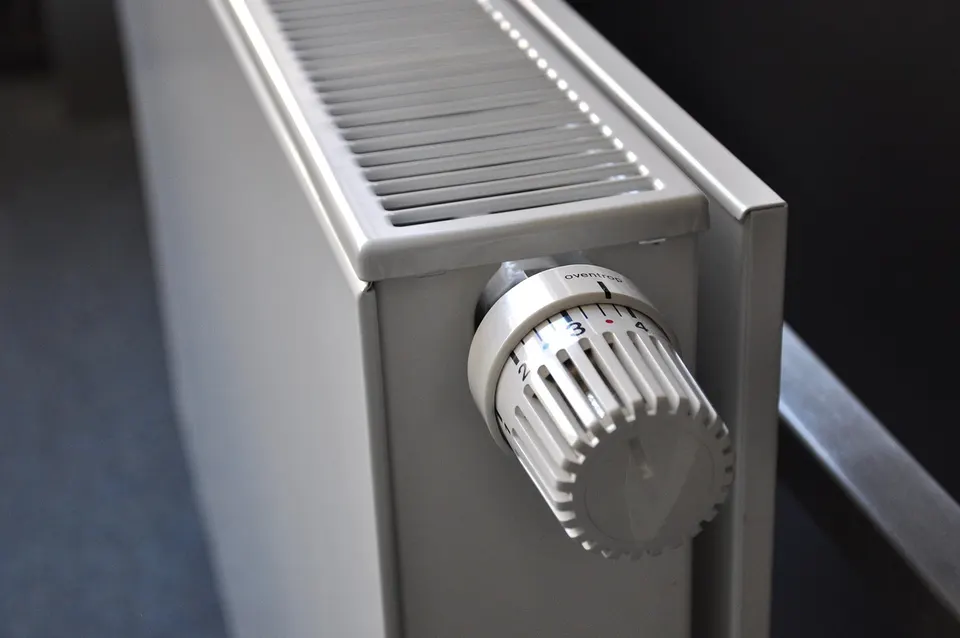
Winter is when energy bills bite hardest, and when small changes add up fastest. Some savings cost nothing, some need a little outlay, and some come from how you pay rather than how much you use. This guide sets out what the figures say, where the limits are, and where to turn if the bills are already more than you can manage.
Start with your heating
Heating is the biggest part of most winter bills, so it is where the largest savings tend to be.
The Energy Saving Trust estimates that for a typical household in Great Britain:
- turning your room thermostat down from 22°C to 21°C could save about £120 a year
- installing a programmer, room thermostat and thermostatic radiator valves (TRVs), if you have none, could save about £100 a year
- adding TRVs to a system that already has a programmer and thermostat could save about £30 a year
Practical steps:
- Set the thermostat to the lowest comfortable temperature and leave it there, rather than turning it up and down.
- Use the timer so the heating comes on shortly before you need it and goes off when you leave or go to bed.
- Use TRVs to keep rooms you rarely use cooler, with doors closed.
- Keep warm enough. Saving money should not mean going without the heat you need.
Small changes with Energy Saving Trust figures
The Energy Saving Trust's quick tips give these estimated annual savings in Great Britain:
| Change | Estimated saving a year |
|---|---|
| Professional draught proofing | £55 |
| Avoid the tumble dryer | £50 |
| Keep showers to four minutes | £45 |
| Switch appliances off standby | £45 |
| Top up hot water cylinder insulation | £45 |
| Chimney draught excluder (if you have an open fireplace) | £45 |
| Wash at 30°C and do one fewer wash a week | £26 |
| Fit a tap aerator | £20 |
| Only boil the water you need | £10 |
| One fewer dishwasher run a week | £10 |
| Swap one bath a week for a four-minute shower | £10 |
| Turn off lights you are not using | £7 |
The Energy Saving Trust puts the combined total at up to £313 a year in Great Britain. Your own saving depends on your home, your tariff and your habits, so treat these as a guide, not a promise.
Bigger improvements, such as insulation, cost more up front but can cut heat loss for years. Our guide to loft and cavity wall insulation and our home upgrades page explain the options and any grants.
The standing charge reality
There is a limit to how far using less can take you. The standing charge is a fixed daily amount you pay however little you use.
Under the price cap for 1 October to 31 December 2026, the average Direct Debit standing charges are 54.83p a day for electricity and 29.68p a day for gas. Together that is 84.51p a day, or about £308 a year, before you use a single unit.
So if you already use very little, cutting further makes a smaller difference than you might expect. Two things may help:
- Lower standing charge tariffs. Ofgem launched a one-year pilot in June 2026 in which participating suppliers offer tariffs with lower standing charges. Ofgem expects unit rates on these tariffs to be higher, and says they may not make bills cheaper. They are more likely to suit low users. Run the sums with your own usage before you move.
- Comparing tariffs. Our guide to fixed tariffs and the price cap shows how to compare deals line by line.
How you pay makes a difference
The same energy costs different amounts depending on how you pay. Ofgem's summary of the current cap gives these typical dual fuel annual figures:
| Payment method | Typical annual bill |
|---|---|
| Prepayment | £1,678 |
| Direct Debit | £1,723 |
| Standard credit (paying when the bill arrives) | £1,861 |
On those figures, paying by standard credit costs about £138 a year more than Direct Debit. If you pay on receipt of a bill and can manage a regular monthly payment, it may be worth asking your supplier about Direct Debit. Check the monthly amount is based on real meter readings, so you do not build up a large debt or credit.
If you have a smart meter, Ofgem notes that some suppliers offer cheaper electricity at off-peak times or at weekends. These deals only save money if you can move some of your use, such as washing, into the cheaper hours.
Claim the help you are due
Check whether you qualify for the £150 Warm Home Discount, the Winter Fuel Payment or Cold Weather Payments. Our guide on how to claim the Warm Home Discount covers all three, with this winter's dates.
If you are struggling to pay
Contact your supplier as early as you can. Waiting tends to make things harder.
Ofgem says you can ask your supplier to:
- agree a payment plan, a payment break or a reduction
- review your payments and debt repayments
- give you access to hardship funds
Ofgem rules require suppliers to set repayments based on your ability to pay and to offer emergency credit to prepayment customers who are struggling to top up. Emergency credit is a loan you repay, so ask how it will be recovered.
There are also strict rules on moving you onto a prepayment meter because of debt. StepChange explains that suppliers must try to contact you at least 10 times and offer other options first, and some households, such as people over 75 with no support at home, cannot be moved onto one against their will.
Free, impartial help
You never need to pay for help with energy debt. Free sources include:
- Citizens Advice consumer helpline: 0808 223 1133, as listed by Ofgem
- Advicelink Cymru (Wales): 0800 702 2020
- energyadvice.scot (Scotland): 0808 196 8660
- MoneyHelper, the government-backed money guidance service, which can point you to free debt advice
- StepChange and other debt charities, which give free debt advice
Be wary of anyone offering an energy "grant" in return for a fee or your bank details. StepChange warns that offers of a so-called DWP energy grant are scams. If you have other debts too, our debt help page explains how free advice works.
Common mistakes to avoid
- Heating rooms nobody is using.
- Ignoring estimated bills over winter.
- Paying by standard credit without checking the cost difference.
- Waiting until debt builds before talking to your supplier.
Next steps
Pick two or three changes from this guide and check your tariff and payment method against your latest bill. Our free energy fix checker can help you compare a fixed deal with the price cap. If you would like to talk through ways to cut your energy costs, our energy page can introduce you to a specialist.
Should I fix my energy?
Compare a fixed deal with staying on the price cap after January.
Ready to talk to an expert?
The energy price cap is £1,723 a year for a typical home until 31 December, and suppliers forecast a sharp rise from 1 January 2027. Some fixed deals are now cheaper than the current cap. An energy specialist can check whether fixing would save you money.
Sources
- Take control of your heating at home, Energy Saving Trust, 28 October 2026
- Quick tips to save energy, Energy Saving Trust, 13 November 2026
- Energy price cap unit rates and standing charges, Ofgem, 13 November 2026
- Summary of changes to energy price cap, 1 October to 31 December 2026, Ofgem, 26 August 2026
- Lower standing charge tariffs: next steps, Ofgem, 22 June 2026
- Get help if you cannot afford your energy bills, Ofgem, 13 November 2026
- Ofgem strengthens protections for customers struggling with energy bills this winter, Ofgem, 19 October 2020
- Gas and electricity arrears, StepChange Debt Charity, 13 November 2026
We check every figure and rule against official sources before publishing and update guides when things change. This guide explains how things work; it is not personal advice.
More gas & electric guides
Economy 7 and time of use tariffs: are you on the right one?
How Economy 7 and smart time of use tariffs work, who tends to gain, how EV charging fits in, and a simple sum to check whether your tariff suits your home.

Energy debt: what to do if you are behind on your bills
How to agree an energy repayment plan you can afford, your rights if a prepayment meter is proposed, the 2027 Debt Relief Scheme, grants and free advice.
Fixed tariff vs the price cap: how to compare
How to compare a fixed energy deal with Ofgem's price cap using your own usage, what the January 2027 cap decision means, and how exit fees change the sums.